
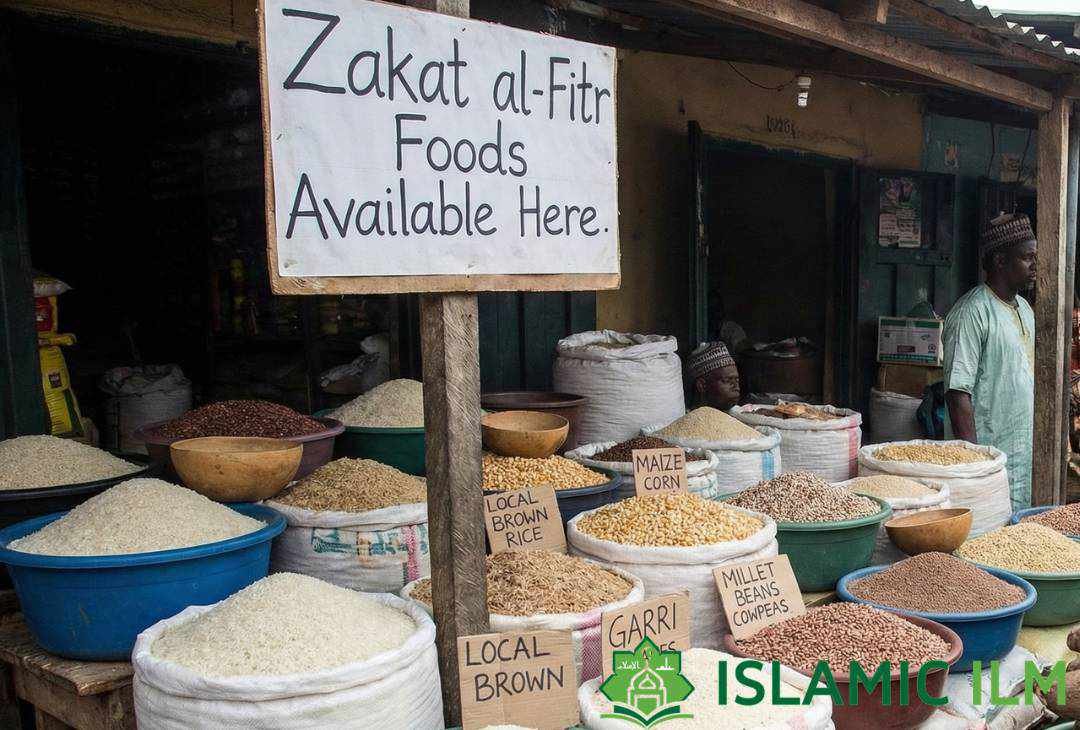
As the blessed month of Ramadan concludes, our final major act of worship before the Eid prayer is the giving of charity.
This obligatory charity is not just a financial transaction; it is a spiritual purification and a social safeguard. Below is a detailed explanation of the rules surrounding Zakat al-Fitr, ensuring your worship is accepted and distributed correctly according to the Sunnah.
Table of Contents
Toggle1. The Ruling: Who Must Pay?
Zakat al-Fitr is a mandatory Sunnah upon every individual Muslim who has the means to do so. It is not limited to adults or wealth earners.
The head of the household typically pays it on behalf of their dependents, based on the saying of Ibn Umar (may Allah be pleased with him):
“The Messenger of Allah ﷺ enjoined Zakat al-Fitr of Ramadan as one Sa’ of dates, or one Sa’ of barley, upon the slave and the free, the male and the female, the young and the old among the Muslims.”
Note: It is waived entirely for anyone so destitute that they do not possess enough food for themselves for the day of Eid, as Allah does not burden a soul beyond its capacity.)
2. The Wisdom: Why Do We Give It?
There is a profound dual wisdom behind this obligation, addressing both our personal spiritual needs and the social needs of the community:
• Spiritual Purification: It acts as a spiritual “clean-up,” purifying the fasting person from the negative effects of idle talk, gossip, and obscenity that may have occurred during Ramadan.
• Social Enrichment: It ensures that the poor and needy have enough to eat so they do not have to beg on the day of Eid.
Ibn Abbas (may Allah be pleased with him) summarized this perfectly: “The Messenger of Allah ﷺ enjoined Zakat al-Fitr as a purification for the fasting person… and as food for the needy.”
3. The Amount and Types of Food
The precise measurement for Zakat al-Fitr is one Sa’ per person. Historically, a Sa’ is a volume measurement equal to four Mudds (A mudd is defined as the amount that can be held by two hands cupped together.).
In modern terms, Islamic scholars usually convert this to a weight ranging between 2.5 to 3 kilograms.
It must be given from the local “staple food” of the country where you reside. Whether that is here in Nigeria—where staples often include rice, beans, or garri—or elsewhere with staples like wheat, barley, dates, raisins, or dried yogurt (aqit).
The “Food vs. Money” Debate
According to the strict textual view presented in classical Fiqh, the obligation is to give Zakat al-Fitr strictly as physical food. It should not be diverted to cash unless there is an absolute necessity. This is because there is no historical record of the Prophet ﷺ or his early companions giving money instead of food for this specific charity.
4. The Strict Timeline for Giving
Timing is everything when it comes to this charity. The timeline is divided into three distinct phases:
1. Time of Permissibility: You may give it one or two days before the day of Eid. This allows time for the food to reach the poor so they can prepare. (Based on the action of Ibn Umar).
2. Preferred Time: The absolute best time is from the break of dawn on the day of Eid until just before the Eid prayer begins.
3. Time of Making Up: If you miss the prayer, you must still give it. However, it transitions from being an accepted Zakat al-Fitr into a general, ordinary charity, and delaying it to this point is considered disliked (makruh).
5. The Recipients: Who Should Get It?
While standard annual wealth Zakat can be given to eight different categories of people, Zakat al-Fitr has a specific priority: the poor and the needy.
Because the Prophet ﷺ said, “Enrich them from asking on this day,” it should not be paid to other categories unless the poor are completely unavailable, their poverty is very mild, or another eligible category is in life-threatening need.
Flexibility in Distribution
The Legislator left the distribution open and flexible. You can take the Zakat of one individual (e.g., 3kg of rice) and divide it among several poor people. Conversely, you can pool the Zakat of an entire large family and give it all to one single struggling household.
6. Important Fiqh Notes to Remember
• Location Rules:
You must pay your Zakat in the country where you are physically residing at the end of Ramadan. It is not permissible to transfer it to another country unless there is a severe necessity (like a famine elsewhere, or zero poor people in your locality).
• Spousal Giving:
A wealthy wife is permitted to give her Zakat to her poor husband, as she is not legally obligated to financially support him. However, a husband cannot give his Zakat to his poor wife, because he is already religiously obligated to provide for her maintenance. Giving her Zakat would essentially be paying his own obligations with charity.
• Partial Capability:
If someone is poor and does not have a full Sa’ to give, but has a small surplus left over after securing their own food for Eid day, they should give whatever surplus they have. “So, fear Allah as much as you are able” (At-Taghabun: 16).
May Allah accept our fasting, our standing in prayer, and our charity, and may He grant us a joyous and blessed Eid.Aameen
Apt, this is interesting, I will suggest you to kindly add some qui-essential aspect of Zakat. May Allah reward you abundantly.